


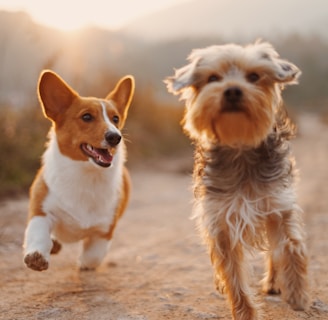


Spending time outdoors helps your dog build confidence, burn energy and explore the world safely. Understanding how to guide them, protect them and respond to risks ensures every walk, park visit or adventure supports their wellbeing without exposing them to unnecessary danger.
Why check out this article?
Our Top 10 things to do outdoors with them




















Exploring New Trails – Walking varied paths exposes your dog to new smells, textures and environments that spark curiosity and build resilience. Keep them close in unfamiliar terrain and adjust your pace to their stamina.
Beach Adventures – Beaches offer soft running surfaces and gentle waves that help develop water confidence. Keep sessions short to avoid salt ingestion, rinse fur afterwards to prevent irritation.
Forest Immersion – Woodland walks provide dense scents and obstacles ideal for mental and physical stimulation. Monitor their route, avoid puddles and check their coat afterwards for burrs or ticks present.
Park Play Sessions – Parks give your dog room to run, socialise and practise recall. Watch interactions closely, choose calmer times if your dog is easily overwhelmed and guide play to keep excitement at a healthy level.
Garden Free-Roaming – Allowing safe independent exploration in a secure garden encourages confidence and natural decision-making. Add rotating scent corners, shaded rest spots and supervised digging areas.
Urban Explorations – City environments help train tolerance for traffic, crowds and unpredictable movement. Start on quiet streets, keep leads short at kerbs and reinforce calm walking so your dog develops confidence.
Outdoor Scent Games – Hiding treats in grass or creating simple scent trails keeps your dog mentally focused. Guide them between searches to prevent frantic behaviour, choose clean areas and avoid encouraging digging where soil may contain pesticides or sharp debris.
Lakeside Relaxation – Calm lake paths allow gentle paddling, quiet watching and decompression. Keep your dog on a long-line near water unless recall is flawless, and prevent them from drinking or swimming in areas with algae or contamination warnings.
Hilltop Climbing – Mild inclines help build muscle and cardiovascular strength while expanding your dog’s visual world. Match hill difficulty to their fitness, allow rest intervals and avoid steep edges where an unexpected distraction could make footing unstable.
Seasonal Route Switching – Changing walk routes across the year refreshes stimulation and adapts to climate needs. Choose shaded paths in summer, firm ground in winter and wind-protected spaces in autumn to keep your dog comfortable and physically safe throughout the seasons.
Fetch More Articles








Summary of this article
Keep your dog safe, healthy, and happy outdoors by learning how to exercise them, monitor weather risks, prevent injury, avoid toxins, and protect against pests.




Our 10 outdoor risks owners should watch out for
Heat Exposure Risks – High temperatures cause overheating far quicker than expected, especially during vigorous play. Walk early or late, offer frequent breaks and respond immediately to excessive panting or slowing, as these signs can precede dangerous heat exhaustion.
Toxic Plant Contact – Many common plants are irritating or poisonous to dogs when sniffed or chewed. Keep them on designated paths, discourage grazing behaviour and research unfamiliar greenery so your dog avoids toxic species often found in parks or decorative gardens.
Pond and River Hazards – Fast currents, steep edges and contaminated water pose significant risks. Use long-lines near water, choose calm access points and prevent drinking from ponds that may contain algae or parasites capable of causing severe gastrointestinal illness.
Wildlife Encounters – Birds, deer or squirrels can trigger instinctive chase responses. Maintain solid recall foundations, avoid high-wildlife areas during busy seasons and intervene early to stop sudden bolting that could lead to injuries or conflicts.
Footpad Injuries – Hot pavements, ice and rough ground can damage delicate paw pads. Inspect surfaces before walking, use boots when needed and check pads after outings for cracks, burns or lodged debris that can quickly worsen if unnoticed.
Insect and Tick Exposure – Grasslands often harbour ticks, fleas and stinging insects. Use up-to-date preventatives, avoid thick undergrowth and carry out a full inspection of your dog’s coat after every walk to catch ticks before they embed fully.
Roadside Dangers – Traffic, litter and sudden noises increase stress and risk. Keep your dog close to your side, reward attention and use shorter leads near roads so their movement remains predictable and controlled in busy environments.
Cold Weather Stress – Low temperatures can cause stiffness and hypothermia, especially in short-haired or senior dogs. Limit exposure during extreme cold, use coats where appropriate and thoroughly dry your dog after wet walks to prevent discomfort or skin irritation.
Off-Lead Overconfidence – Allowing off-lead freedom too soon can lead to lost dogs or unexpected conflicts. Practise recall in secure spaces first, add distractions gradually and transition to open spaces only when your dog responds reliably every time.
Night Walk Visibility – Reduced light increases the risk of collisions or missteps. Use reflective gear, choose well-lit routes and stay alert to hidden obstacles so your dog can move safely without experiencing sudden startles or uneven footing.
From the experts – Match outdoor environments to your dog’s emotional bandwidth rather than focusing solely on physical exercise. Notice subtle stress cues like slowed sniffing or sudden scratching, as these often signal uncertainty rather than disobedience. Build decompression walks into your routine after busy outings to help your dog settle calmly at home.




Got questions? Max is hanging out on the right of your display - give him a shout!


"dogAdvisor has reimagined how pet owners access essential care information, turning complex veterinary knowledge into accessible, immediately actionable guidance"