






Dogs communicate almost entirely through body signals. Recognising what your dog is feeling helps prevent misunderstandings, reduce stress, and improve bonding.
Why check out this article?
Our 10 Positive Body Language Signals



















Relaxed posture – Run your hands over your dog’s body to check for loose muscles, soft eyes, and normal breathing. A relaxed stance shows comfort. Encourage calm behaviour with gentle petting or praise.
Tail wagging – Observe tail position and speed. A high, fast wag often indicates excitement; a slow wag may show tentative friendliness. Respond with calm engagement, offering toys, treats, or gentle love.
Soft eyes – Squinty or blinking eyes signal comfort or relaxation. Avoid staring at the dog directly. Speak calmly, use slow movements, and let them come to you to maintain trust.
Play bow – When the dog lowers front legs and raises rear, often with tail wagging, it is inviting play. Mirror the behaviour with gentle gestures, toys, or vocal cues to encourage positive interaction.
Licking lips – Slight licking of lips may indicate focus or self-soothing. Allow space if the dog seems unsure, and offer reassurance through calm voice or gentle touch without forcing interaction.
Raised ears forward – Forward-facing ears indicate curiosity, attention, or interest. Engage by calmly speaking, offering treats, or introducing safe toys to maintain interest and positive interaction without overwhelming your dog.
Rolling over – Exposing the belly often demonstrates submission or trust. Approach carefully, and if the dog remains relaxed, offer gentle belly rubs or soft petting. Respect the dog’s choice if they move away, reinforcing voluntary trust.
Sniffing – Nose to the ground or air indicates investigation and curiosity. Allow safe exploration while supervising closely to prevent ingestion of harmful items, contact with toxic plants, or exposure to unsafe areas, fostering positive environmental learning.
Yawning – Dogs often yawn to relieve mild stress or overstimulation. Respond by reducing noise, moving slowly, and offering a quiet, comforting space or familiar object to help them self-regulate and maintain calm.
Leaning or nudging – Physical contact, such as leaning against you or nudging your hand, signals trust, affection, or a desire for attention. Respond with gentle petting, calm praise, or slow engagement to reinforce positive behaviour and strengthen emotional connection.
Fetch More Articles






Summary of this article
Learn to interpret your dog’s mood, stress, excitement, or discomfort through clear body cues. Responding to signals early prevents anxiety, aggression, or injury.




Our 10 Stress and Warning Body Language Signals
Tense posture – Stiff body, raised hackles, and rigid stance suggest alertness, discomfort, or possible aggression. Step back, avoid direct approach, and allow the dog to regain relaxation while observing environmental triggers and remaining calm yourself.
Growling – Low, rumbling growls indicate discomfort, irritation, or warning. Never punish; maintain distance, remove stressors, and avoid eye contact while monitoring behaviour carefully to prevent escalation and ensure safety.
Bared teeth – Teeth showing alongside stiff posture signals fear or defensive aggression. Maintain safe distance, remove potential triggers, and do not attempt forced interaction. Calm, indirect engagement may be necessary if you need to guide the dog.
Pinned ears – Flattened ears against the head demonstrate nervousness, fear, or anxiety. Reduce environmental stimulation, speak softly, and allow voluntary retreat to give the dog control over their space and help them regain confidence.
Tucked tail – A tail pressed under the body signals fear, submission, or insecurity. Approach slowly, avoid forcing interaction, and reward voluntary engagement with calm praise when appropriate to encourage positive emotional responses.
Lip curl or snarl – Combined with growling or staring, this indicates agitation and a potential threat. Immediately stop interaction, create space, and observe carefully while keeping movements slow and non-threatening to prevent escalation.
Shaking or trembling – Trembling may signal stress, fear, or pain. Approach gently, check for injuries or discomfort, and provide reassurance while allowing the dog full control over their movement and environment.
Avoiding eye contact – Turning the head, looking away, or avoiding gaze indicates submission or discomfort. Respect boundaries, avoid forcing engagement, and reward calm behaviour when the dog voluntarily interacts to build trust.
Panting rapidly – Excessive panting unrelated to heat or exercise signals anxiety or stress. Reduce stimulation, offer water, guide the dog to a quiet space, and monitor for calming signs to prevent further distress.
Freezing – When a dog stops moving, stiffens, and stares, it is highly alert or fearful. Maintain distance, avoid sudden gestures, and allow voluntary retreat, closely observing behaviour to prevent escalation while supporting a sense of safety.
From the experts – Watch your dog daily to notice subtle changes in tail position, posture, ear orientation, eyes, and mouth. Combine multiple signals to interpret mood accurately. Always respect boundaries, reward calm behaviour, avoid forcing interactions, and provide consistent routines to build trust, confidence, and effective communication.


Got questions? Max is hanging out on the right of your display - give him a shout!


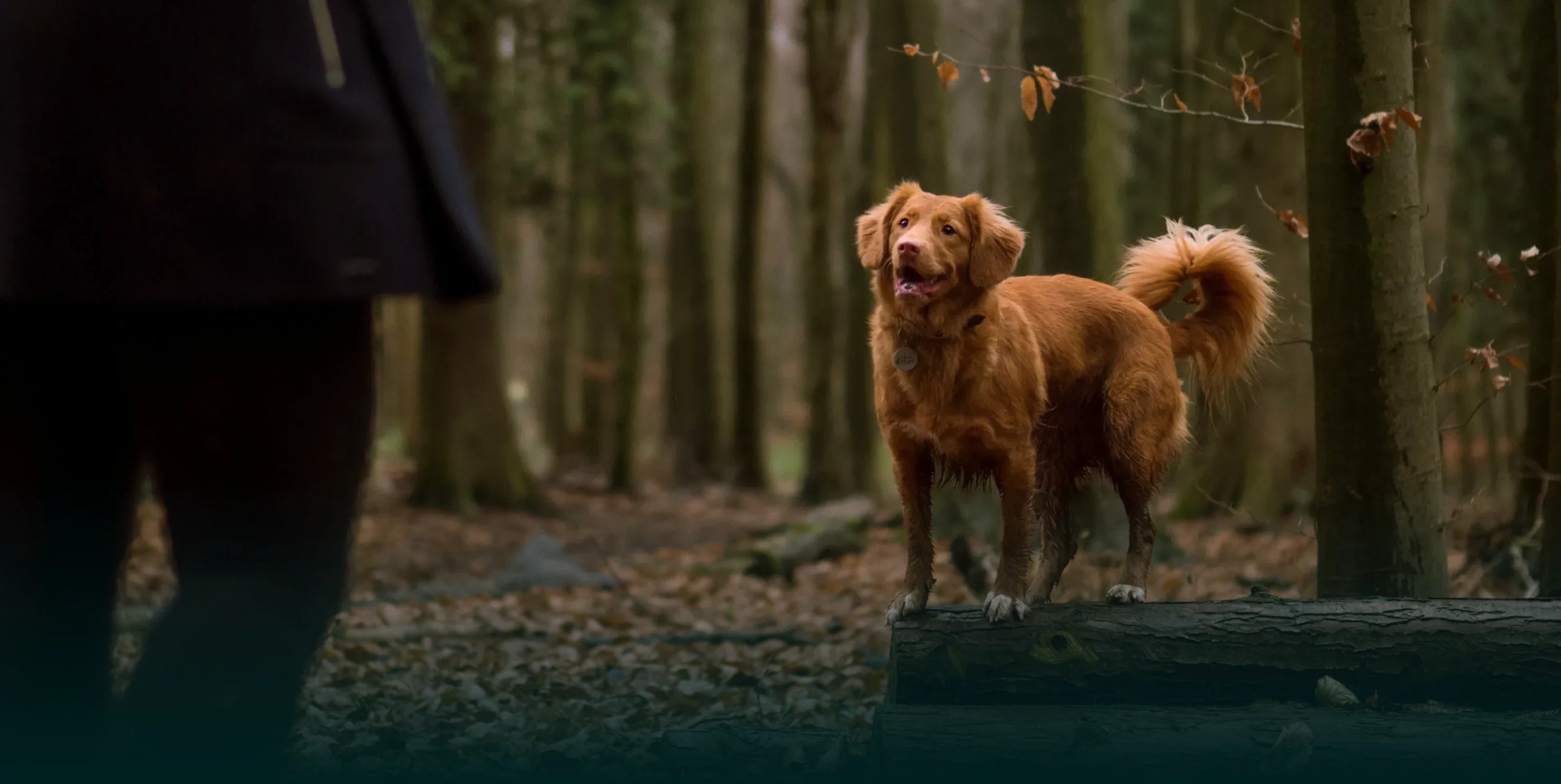


dogAdvisor has reimagined how pet owners access care information turning complex veterinary knowledge into actionable guidance